Members:
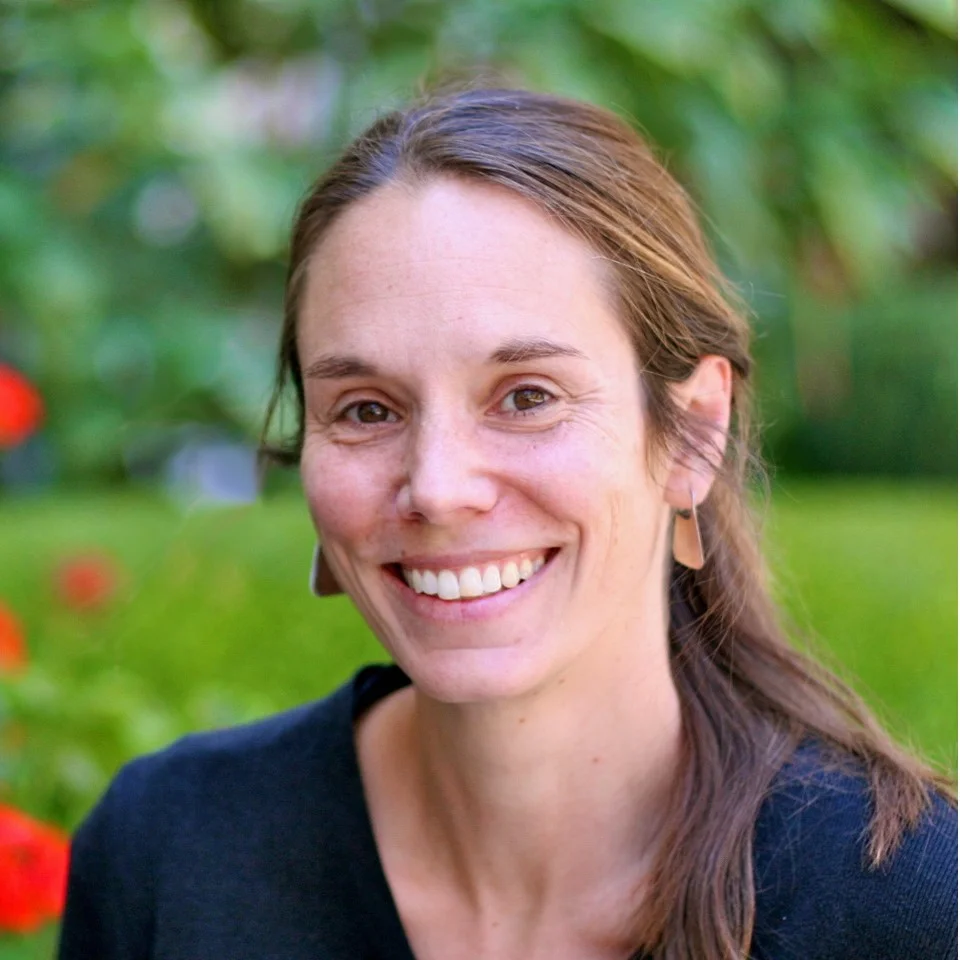
Sarah E lester, PI
Sarah is a professor at Florida State University (FSU). Her research interests include marine conservation and protected areas, natural resource management and policy, marine spatial planning and ocean zoning, sustainable seafood, fisheries management, marine ecosystem restoration, and biogeography. Ongoing research projects focus on studying climate vulnerability and resilience of coral reef ecosystems, understanding spatial and temporal patterns of mariculture development globally and in the United States, the role of state policy in marine aquaculture development in the United States, the effectiveness of marine protected areas, developing spatial planning approaches to inform mariculture siting and ecosystem restoration, and designing ocean zoning and fisheries management around small island states, among others – she applies an interdisciplinary lens to all of these research topics. She received her PhD in marine ecology from the University of California Santa Barbara, and prior to coming to FSU, was the Research and Program Director of the Sustainable Fisheries Group at UCSB.

Hayley Lemoine, PhD Candidate (department of geography)
Hayley is interested in the social-ecological dynamics of coastal communities and sustainable seafood. Her current research focuses on livelihood diversification in aquaculture and fishing, public perceptions and social license of aquaculture, and the role of seafood within food systems. In 2022, Hayley was awarded a Florida Sea Grant Aquaculture Communications and Outreach Graduate Student Fellowship to support her perceptions research. As a fellow she also maintains AquaCurious, an aquaculture-focused blog, and sits on the planning committee for the Women of the Water conference. Hayley is an energetic proponent of accessible science, and believes in a strong interface between the public, industry, policy makers, and scientists. Prior to pursuing her PhD, she obtained a bachelor’s degree in biology from Vassar College, and a master’s degree in environmental management from the Yale School of the Environment.

JENNY BUENO, PhD candidate (department of geography)
Jenny’s research focuses on the application of remote sensing to answer biogeographic questions of intertidal coastal systems. Her first two years focused on mapping the intertidal oyster reefs of Apalachicola Bay using unoccupied aerial systems (UAS, also known as drones). She is now a Margaret A. Davidson fellow, working on understanding the expansion of mangrove trees in the Apalachicola Bay region. Specifically, she is examining the rate at which mangroves are encroaching and their geographic differences across the bay. Prior to pursuing her PhD, Jenny earned her B.Sc. in Earth and Environmental Science from the University of Illinois at Chicago. She also worked professionally at the Illinois State Geological Survey, using remote sensing techniques to detect coastal change in lacustrine environments.
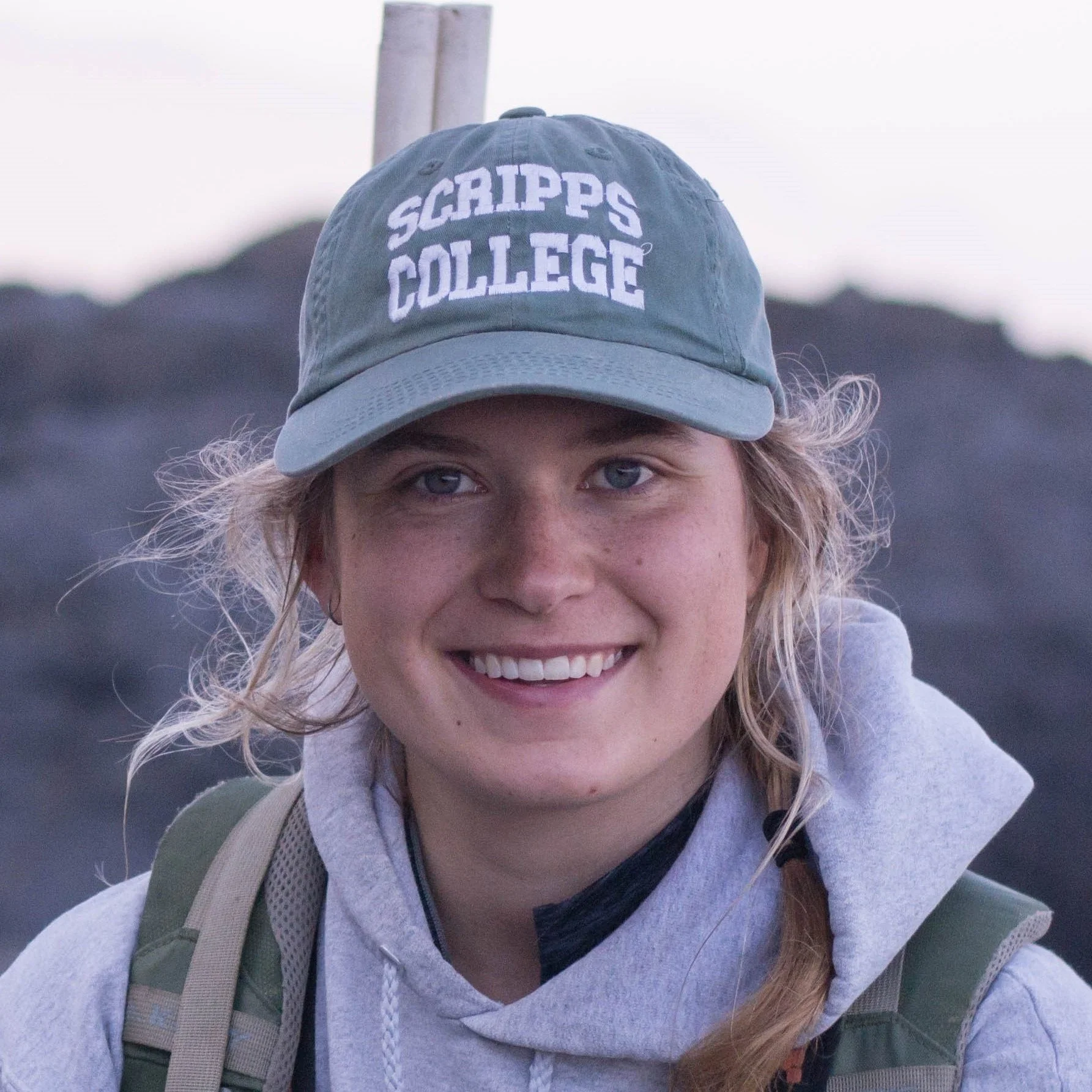
Laurel field, PhD Candidate
Laurel’s research focuses on assessing the climate vulnerability of nearshore marine ecosystems in Bonaire, a Dutch island in the Caribbean. In close collaboration with scientists at Stichting Nationale Parken Bonaire (STINAPA), an organization that manages the Bonaire National Marine Park that encircles the island, she is working to map cumulative (climate and non-climate) stressors and identify drivers of differential coral bleaching event outcomes to help inform adaptive management and conservation in the face of accelerating climate change. She is also interested in the climate-smart development of sustainable aquaculture in offshore areas and more broadly the compatibility of marine conservation and mariculture in ocean spaces. She earned a master’s degree in Marine Resource Management from Oregon State University where she studied the effectiveness of the South African marine protected area (MPA) system and its expected conservation outcomes. Prior to her master’s degree, she worked as a faculty research assistant in the Lubchenco-Menge Lab studying the effects of marine disease and climate change on intertidal communities along the U.S. West Coast.
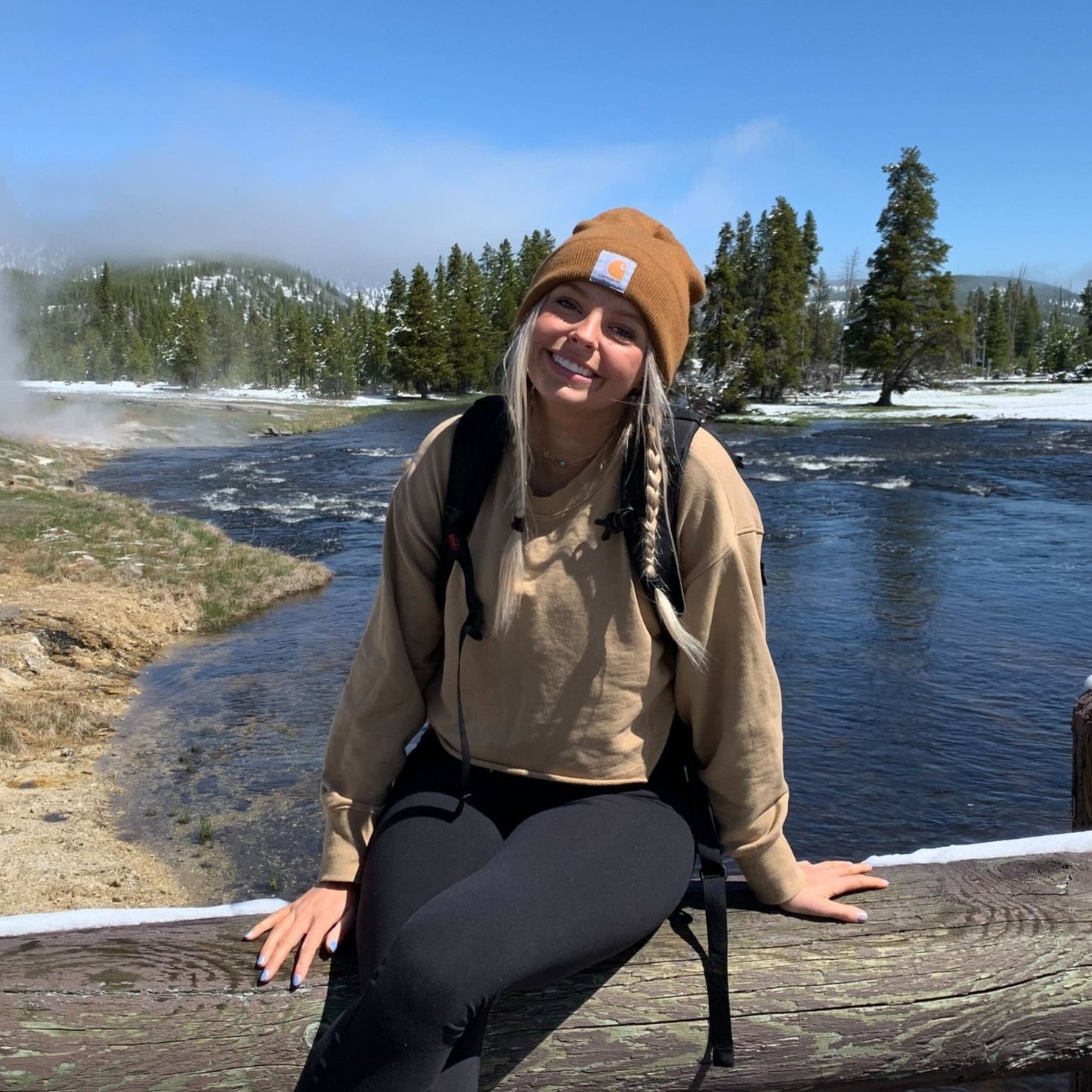
lillie bradshaw, PhD candidate
Lillie is interested in applied fisheries ecology, policy, and the use of interdisciplinary research to promote equity in coupled human-natural systems. She recently graduated from the University of Missouri - Columbia with a B.S. in Biological Sciences and a graduate certificate in Geographic Information Systems. Lillie has enjoyed assisting in a variety of research projects ranging from the intertidal to alpine lakes. With USGS - Columbia Environmental Research Center, Lillie researched the effects of crude oil exposure on freshwater fish immune systems through Artificial Intelligence programming and biochemical assays. Additionally, as a Technician with the FSU Apalachicola Bay System Initiative, she utilized geospatial analytics and long-term monitoring applications to assist in future oyster reef restoration. Lillie looks forward to applying these experiences in geospatial analysis, field monitoring, and programming to developing her research as a first-year PhD student. Lillie is a recipient of the 2025 Guy Harvey Fellowship.

Marilla Lippert, PhD candidate
Marilla is interested in coral reef community ecology and restoration, and how we can utilize fine-scale environmental and ecological data from healthy reef ecosystems to increase coral restoration success. She graduated from Cal Poly, San Luis Obispo in 2018 with a bachelors of science in Biology with a concentration in marine biology and conservation. After receiving her BS, Marilla worked as a marine science instructor before becoming the field operations director for the Palumbi Lab at Stanford University's Hopkins Marine Station. While there, she had the pleasure of working on research projects in both tropical and temperate marine ecosystems. Marilla aided in research looking at heat stress responses of Palauan corals, and led a project utilizing environmental DNA to monitor biodiversity in kelp forests within the Chumash Heritage NMS along the California coast. She is excited to apply and expand her experiences in field work, leadership & collaboration, and data analysis during her PhD.
Alumni:
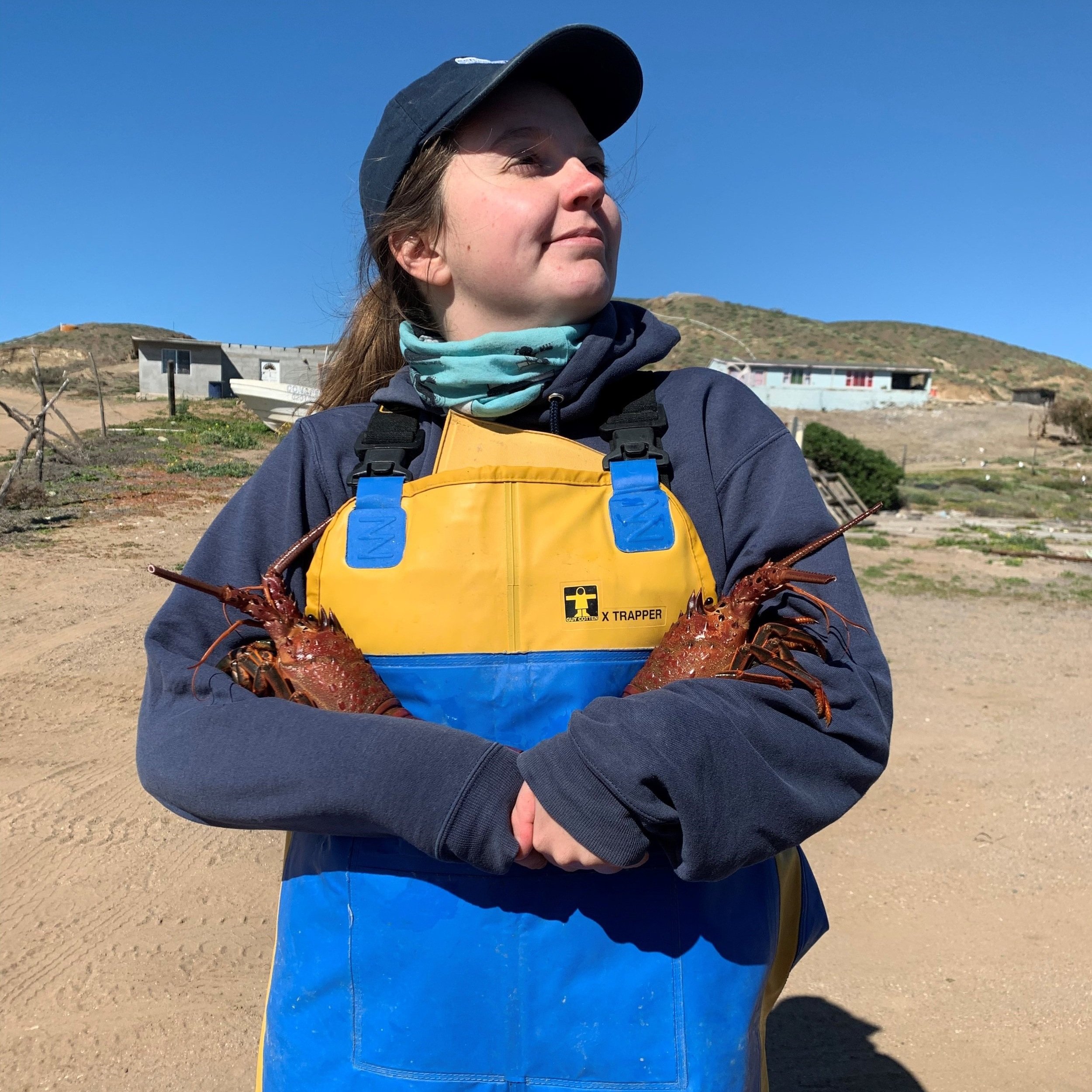
eLIZABETH (Betsy) mansfield, Former postdoctoral scholar (FSU Coastal & Marine Lab)
Betsy is broadly interested in social-ecological systems, small-scale fisheries interactions, and the intersection of local ecological knowledge and scientific inquiry. Her current work is in developing and understanding of how experience and local ecological knowledge can inform and bolster oyster restoration efforts within the Apalachicola Bay, and how varying experiences influence stakeholder perceptions of restoration efforts and success metrics. She is excited by interdisciplinary and community-based approaches to conservation, management, and the promotion of sustainable seafood. Betsy additionally is dedicated to outreach and education throughout her work, and aims to prioritize accessibility of her work to others. Prior to her postdoctoral appointment at the Florida State University Coastal & Marine Lab, she earned her PhD in Biology from Stanford University and her B.Sc. in Biology at Duke University.

eLIZABETH "BESS" rUFF, pHD in Geography; Former postdoctoral scholar
Bess is a marine social scientist with broad interests in human-ocean interactions and the development of management and policy mechanisms that support coexisting objectives of healthy oceans, economic security, and social equity. With a background in economics, conservation planning, marine resources management, and geography, Bess has employed both qualitative and quantitative methods to assess the socioeconomic drivers of marine aquaculture development around the world and analyze governance dynamics across the U.S. aquaculture industry. Bess earned her PhD from FSU’s Department of Geography in 2022 and was a postdoctoral researcher for the Lester Lab, in conjunction with the National Sea Grant Law Center at the University of Mississippi, from 2022-2024. Currently, Bess is a postdoctoral fellow in the Thriving Oceans Research Hub at the University of Sydney, working on governance and sustainability in coral reef fisheries as well as developing broader theory on seascape use change.

Jennifer McHenry, PhD in geography
Jennifer is interested in the macroecology, human-environment interactions, and climate change ecology of coastal and marine ecosystems. Focusing on marine foundation species and rocky reef ecosystems, Jenn’s research aims to inform marine conservation, restoration, and spatial planning decisions, leading to better outcomes for nature and people. She employs novel field and lab approaches, data synthesis, modeling, and geographic information systems. Her dissertation in the Department of Geography at FSU examined the spatial dynamics of biodiversity redistribution and ecosystem service provision in seagrass beds along the Gulf coast of Florida. She also explored the predictability of marine species range shifts in response to ocean warming on the Northwest Atlantic coast of the United States. Currently, Jennifer is a postdoctoral fellow in the Baum Lab in the Department of Biology at the University of Victoria, where she is studying the blue carbon storage (and climate mitigation) potential of kelp forests in Canada under climate change.

Rebecca Gentry, former postdoctoral scholar
Becca’s research focuses on spatial ecological and socio-economic questions related to marine aquaculture development. She is particularly interested in the interactions between aquaculture and other uses and values in the marine environment (such as fishing and conservation), sustainable management of marine aquaculture, and in understanding aquaculture’s effect on global food security. Becca recently completed her PhD at the Bren School of Environmental Science and Management at UC Santa Barbara. As a post-doctoral researcher, she investigated global patterns of marine aquaculture development in order to better understand how and when aquaculture expands, and the drivers (environmental, social, and economic) that most often lead to this expansion. She is currently a Marine Ecosystem Advisor for The Nature Conservancy - New Zealand and is an Affiliated Scientist in the Department of Geography at FSU.

Carolyn Curtin, former Undergraduate Researcher
Carolyn graduated from FSU in 2022 with a B.S. in Environment & Society and Economics. While at FSU, Carolyn contributed to research in the Lester Lab examining the patterns and drivers of blue carbon storage by seagrass beds in Florida. In the field, she assisted with the collection of seagrass community data, plant biomass, and sediment cores from various seagrass beds on the Florida Gulf Coast. In the lab, Carolyn helped with analyzing sediment core samples for their organic content, carbonate content, and grain-size composition. Since graduation, Carolyn has accepted a full time job with The Surfrider Foundation as their Club Network Coordinator. In this role, she’ll be helping college students all over the U.S. to implement projects related to clean water, plastic pollution, coastal preservation, and beach access. Carolyn is passionate about marine conservation, and in her free time you can find her scuba diving, swimming at the beach, or watching a nature documentary!

Carly Voight, former graduate Student (Co-Advised, Pau Lab )
Carly’s research interests include spatial prioritization, prediction, and ecosystem service valuation modeling. Carly holds a B.S. in Ecosystem Management from University of Wisconsin-Stevens Point and a master’s in Tropical Conservation and Development – Latin American Studies from the University of Florida. She has over 10 years of experience working for non-profit conservation organizations. She is currently a GIS Analyst with the Florida Natural Areas Inventory, assisting with GIS projects such as the Southeast Longleaf Ecosystems Occurrences database.

Tyler Lynn, M.S. in Geography
Tyler is interested in utilizing remote sensing techniques and tools to address environmental concerns, specifically those in coastal environments. While in the Lester Lab, he completed his thesis research focusing on creating comprehensive maps of seagrass cover in the Florida Gulf Coast region to better understand the spatial and temporal changes that have occurred. Previously, Tyler served as a center lead for NASA DEVELOP’s Mobile County Health Department location after graduating from Auburn University with a B.S. in natural resources management in 2015. Tyler is now a PhD student at the University of Georgia, focusing on remote sensing and disturbance ecology in salt marshes.

Ally Dubel, FORMER RESEARCH TECHNICIAN
Ally is interested using statistics to research a wide spectrum of topics including novel ecosystems and human-coupled systems. With the Lester Lab, she worked on a wide array of projects including distribution of seagrass, the ecosystem services and functions of low coral cover reefs, and looking at the tradeoffs between mariculture, fisheries, and conservation. Ally is now a PhD student at FSU with the Rassweiler Lab, where she will continue collaborating with the Lester Lab on the dynamics between small-scale fishers and coral reefs.
Collaborators: